The Gucci Bags to Invest In
Gucci was founded in 1921 by Guccio Gucci, an Italian who sold leather goods and luggage in his shop in Florence, Italy.
In 2018, Gucci became the fourth most valuable luxury fashion and accessories brand in the world, having beaten names you know and love such as Dior, Burberry and Prada. Gucci’s brand value has seen the strongest growth among all luxury fashion brands, and since 2017 it has increased by 30% to reach $12.9 billion. Gucci CEO Marco Bizzarri and creative director Alessandro Michele have been identified as the reasons for this surge, as they have taken a younger approach to design in an effort to attract and retain a new generation of luxury shoppers.
Coincidentally, teens and millennials have become completely obsessed with Gucci’s iconic GG logo. Hard to miss since it is everywhere on social media, fashion blogs and rap videos, Gucci’s GG logo belt has become a status symbol. It wraps around the tiny waists of celebrities and influencers around the world, making it the must-have accessory of the moment.
As Gucci enjoys a star-studded resurgence, thanks in part to the comeback of everything that dates back to the 90s, it is important to remember the designs that made Gucci what it is today. Let’s take a trip back in time and revisit some of the classic handbag styles and fabrics that helped Gucci secure its place on the luxury map once and for all.
Back to Gucci’s Origins
In 1897, Guccio Gucci left his native Florence for London, where he worked as a bellboy at the Savoy Hotel. Handling the luggage of high-society clientele gave him the experience he needed to return to Italy and create his own line of leather goods for travelers. It was in 1921 that Guccio finally opened the doors of his shop on Via della Vigna Nuova in Florence, selling imported suitcases in addition to goods made by local artisans. Customers soon took an interest in Guccio’s products, and shortly after, Gucci became a true sensation.
Due to the trade embargo imposed on Italy under Mussolini’s regime, raw materials, especially leather, were scarce. Guccio and his sons Aldo, Vasco and Rodolfo (all of whom are now part of the family business) therefore had to get creative, creating Gucci signatures in wicker, raffia and wood, in addition to cuoio grasso, an incredibly smooth calfskin. (Not far away, Florentine Salvatore Ferragamo was also making do with his cork-heeled designs.) Around the same time, Gucci also developed a woven hemp textile with a diamond pattern, the precursor to today’s double G monogram.
Around 1947, Gucci entered fashion history with its bamboo-handle bag, a small structured bag adorned with a bamboo handle bent by the heat of a flame. In 1953, Ingrid Bergman wore a version of it in the film Viaggio in Italia, sparking Hollywood’s love affair with Gucci. Reported visitors to Gucci’s Florence boutique included Princess Elizabeth (before her ascent to the British throne), Eleanor Roosevelt and Elizabeth Taylor. As an actor, Rodolfo also brought in his own filmmaker friends such as Bette Davis, Katharine Hepburn and Sophia Loren.
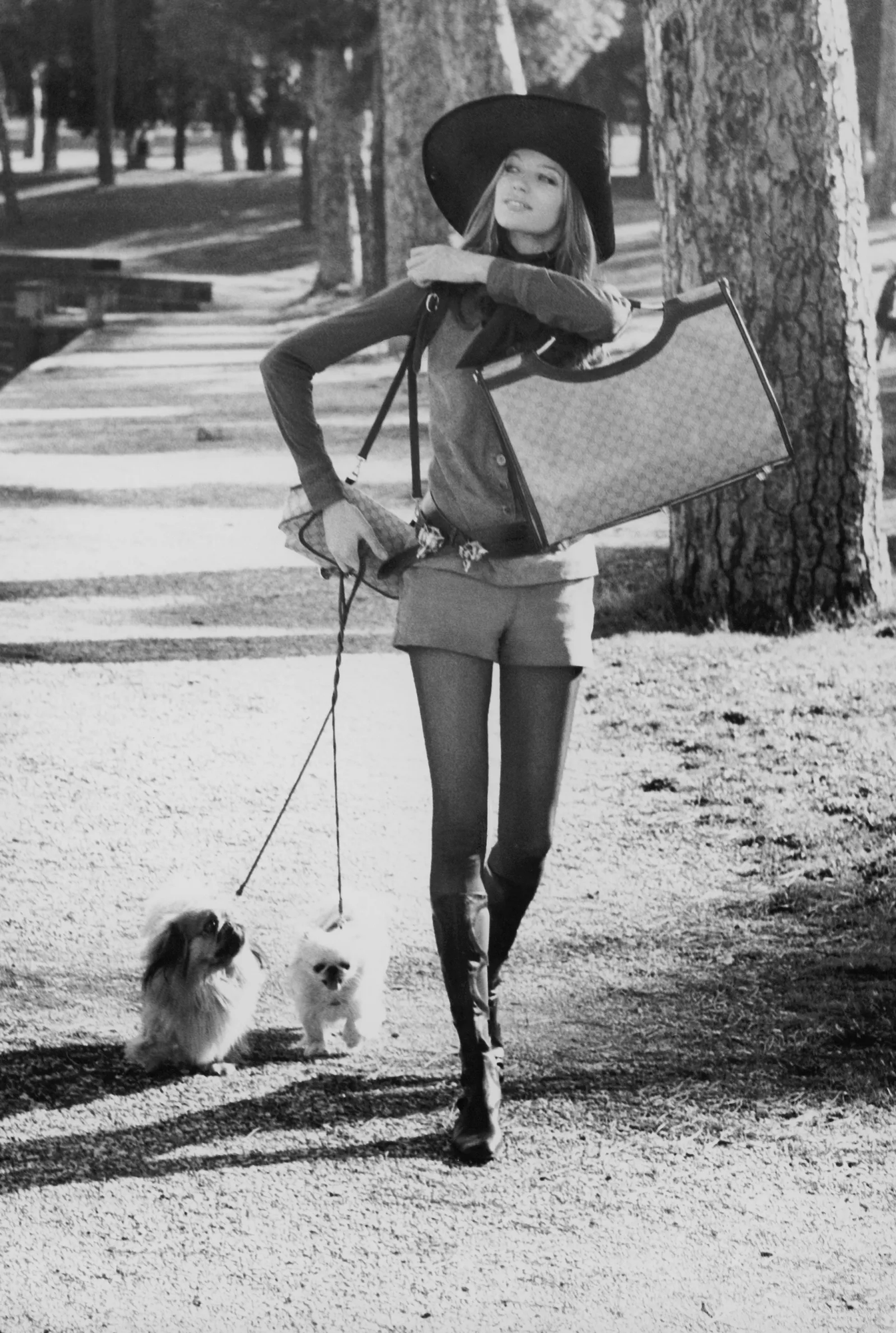
In the 1950s, as la dolce vita was in full swing in Rome and Manhattan was the playground of the rich, Gucci was dressing and accessorizing everyone. Over the next two decades, Gucci opened boutiques wherever one needed to be seen. One day, at the Milan salon, Grace Kelly walked in and bought a silk scarf decorated with a feminine floral motif (dubbed Flora, which remains a house code to this day); another day, Jackie Kennedy Onassis chose a hobo bag. The latter has recently been reissued by Alessandro Michele, as has the Diana bamboo-handle bag.
See the stories behind these bags and other Gucci handbags.
Gucci Horsebit 1955
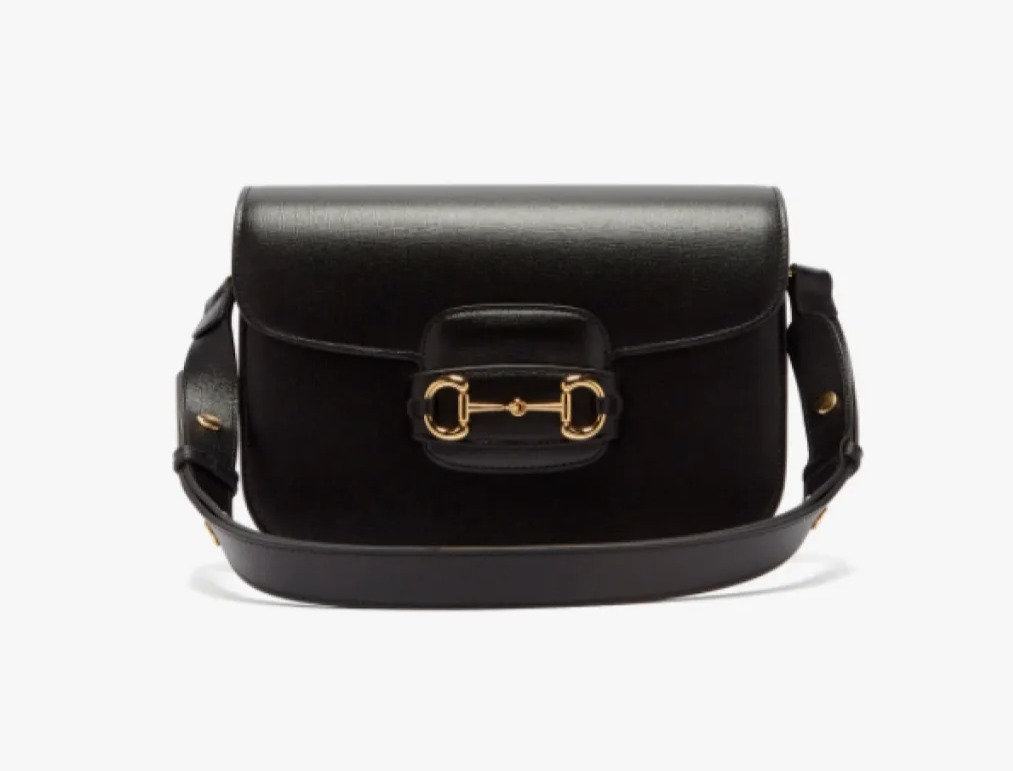
According to legend, the double ring and bar detail made its entry into Gucci fashion in 1953. It was Aldo Gucci, aware that buyers appreciate a bit of history in their handbags, who perpetuated the myth that the Gucci family had once been saddlers to the nobility. Aldo leaned into the equestrian concept and, under his direction, saddle-like topstitching adorned the handbags. The green and red stripes visible on the straps became a Gucci signature, as did the double ring and bar detail. Aldo even replaced the bellboy - a nod to Guccio’s first job - on the Gucci crest with an armored knight. Since the horsebit appeared on a handbag in 1955, this elegant accessory has become as recognizable as Chanel’s two Cs. Tom Ford, Alessandra Facchinetti and Frida Giannini all incorporated the horsebit into their designs, and Gucci’s current creative director, Alessandro Michele, gave us the latest iteration. Unveiled during the house’s 2020 cruise collection, the reissued Gucci Horsebit 1955 bag comes in several shapes (tote, satchel, shoulder bag), all unified by the instantly recognizable D-ring hardware. After all, there is no need for a Gucci logo when its material signature is present.
The Jackie 1961
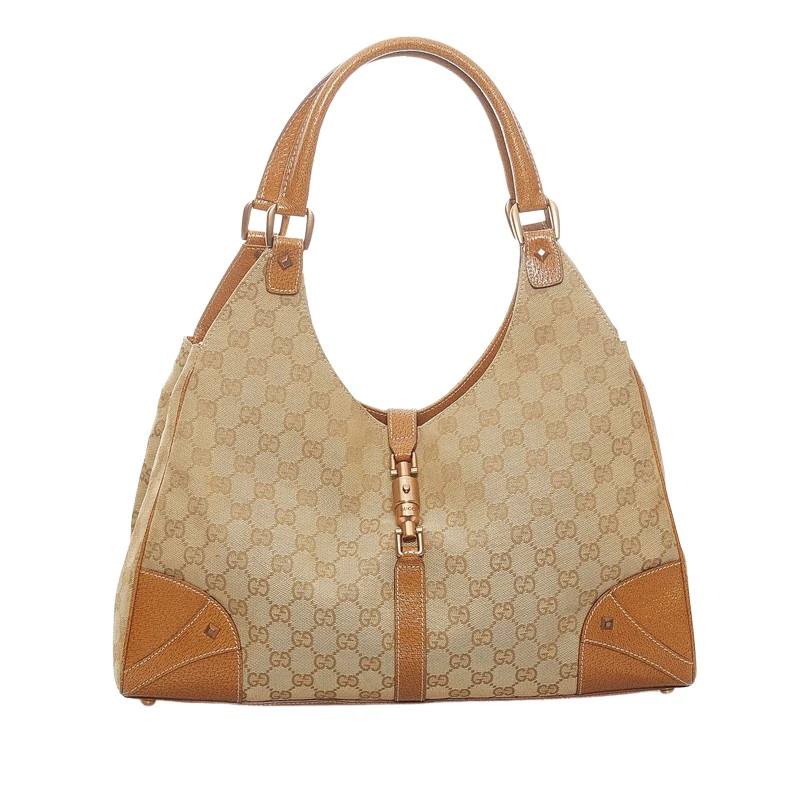
Much like the enduring allure of the woman for whom it is named, the Jackie is a bag that will never go out of style. In 1961, Gucci launched a hobo-style bag that caught the attention of Jackie Kennedy, whose husband was fond of Gucci loafers. It is said that after seeing an image of Jackie Kennedy taken by a paparazzo with the bag (then called a 1950s Constance), the Gucci family quickly renamed it Jackie. The classic hobo shape has seen many iterations under Tom Ford and Frida Giannini, but its latest incarnation comes from Michele, who in 2021 gave us a version of the Jackie with a bit more structure, an adjustable strap and a piston closure. In 2014, Giannini made Kate Moss the star of the Jackie bag campaign; today, it is Harry Styles who ushers in the bag’s new era.
The Diana
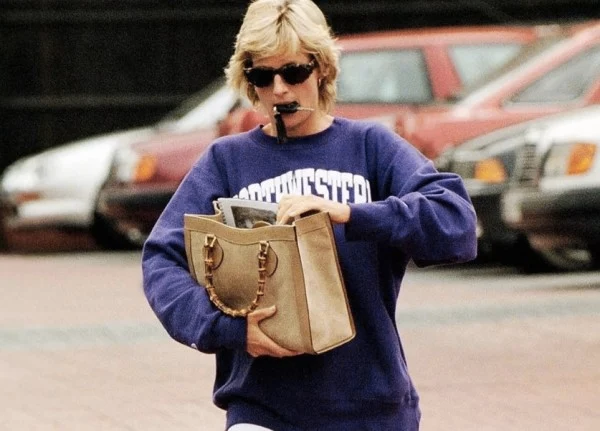
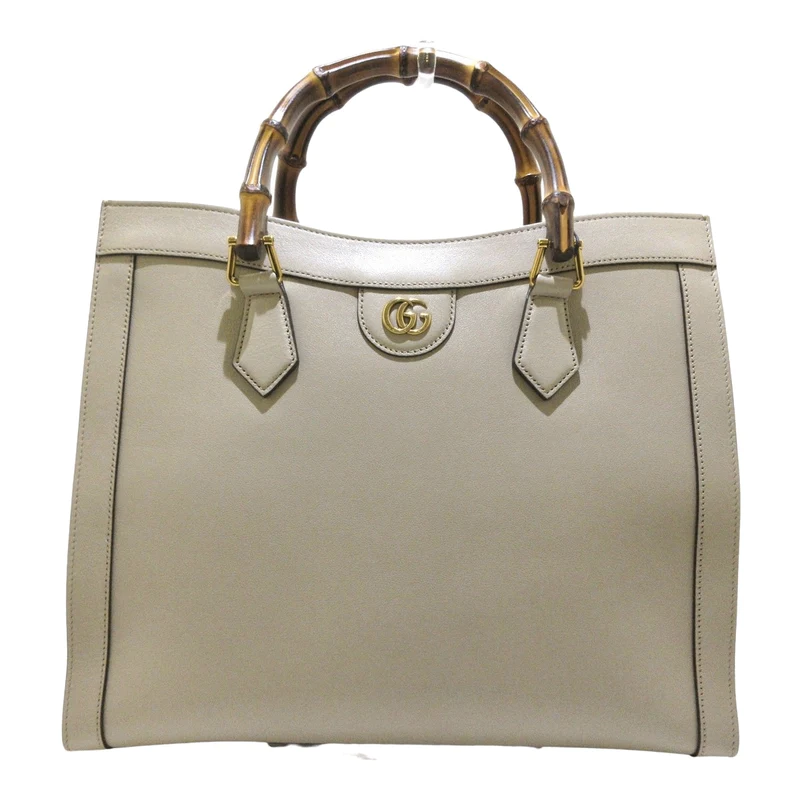
At the end of the 1990s, Princess Diana could often be seen coming and going with a Gucci bamboo-handle bag. Hers was in putty-colored suede, and even when she accessorized her biker shorts and sweatshirts on trips to the gym, she made it look divine. As mentioned above, bamboo-handle bags have been part of Gucci’s repertoire from the very beginning, and this style never really left the house. On Thursday, July 1, 2021 - which would have been Princess Diana’s 60th birthday - Michele gave us the Diana bag, a bamboo tote similar to the one the princess carried. On this bag, we find a logo made of two Gs facing the same direction (Michele’s reworking of the Gucci monogram is one of the many famous interventions he has made at the house), and because it would not be a Michele bag without a touch of madness, he added a neon elastic strap. This is a playful, removable touch that references the elastic bands Gucci uses to help its bamboo keep its shape.
The Marmont
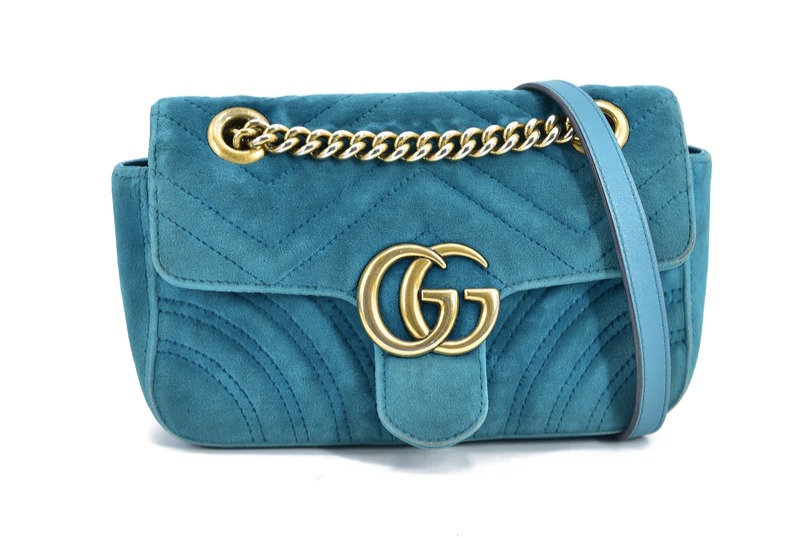
The Marmont is less a single bag than a family of bags of which Michele is the patriarch. Soon after taking over as Gucci’s creative director, Michele gave us the Marmont bags with a chain-strap crossbody as the signature style. They debuted on the Autumn 2016 runways, capturing everything Michele intended to bottle up and sell in bag form: the carefree bohemian spirit of the 70s and the understated glamour of the Château Marmont. On the bag, Michele introduced his reversed Gucci logo, adorning a semi-padded chevron-quilted motif in leather and velvet in jewel tones. The Marmont collection also includes totes, backpacks and bucket bags, some of whose pieces are sometimes embellished with pearls. Whatever you choose, you can’t go wrong.
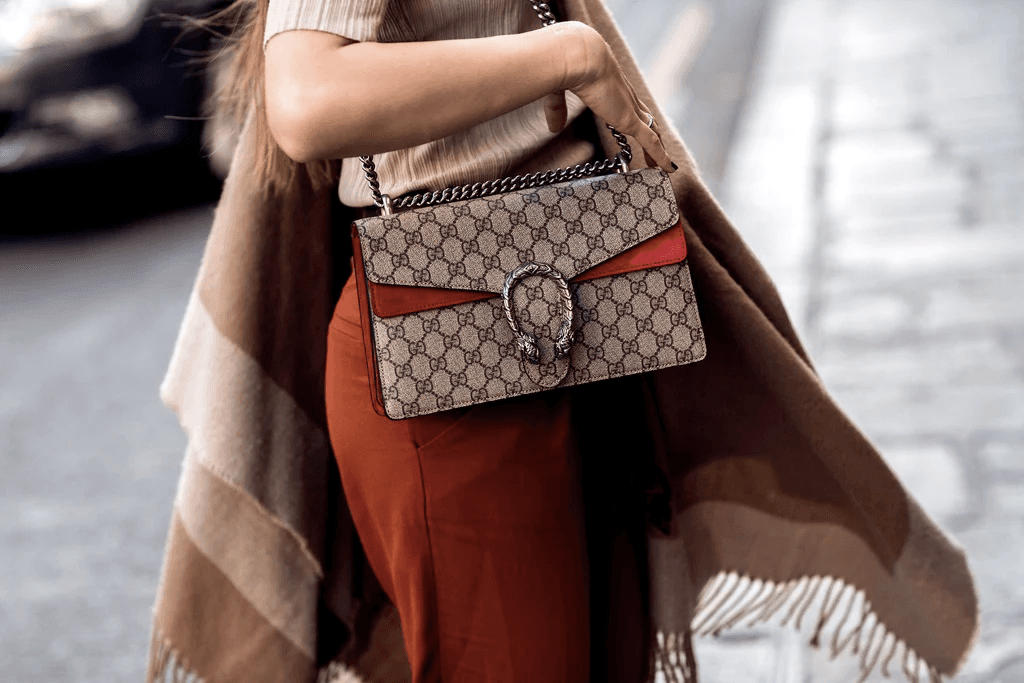
The Dionysus
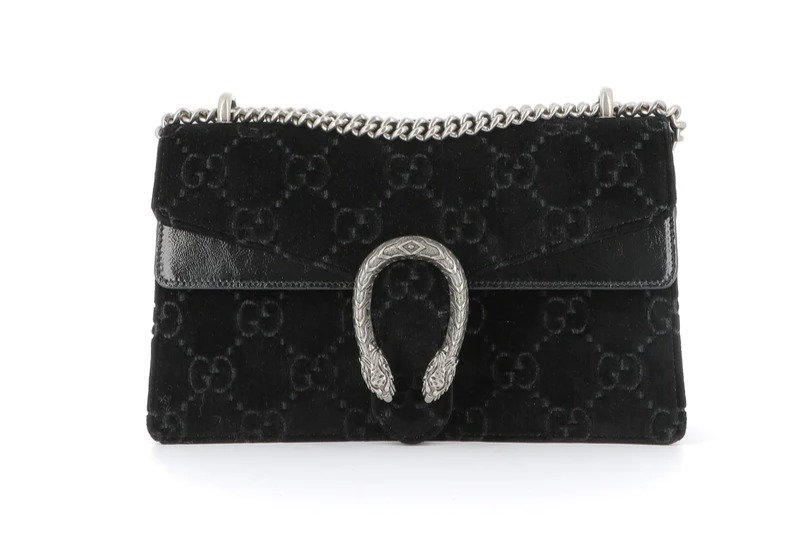
No bag better sums up the Geek Chic aesthetic of modern Gucci than Michele’s first bag for the brand, the Dionysus. The crossbody bag features a double-flap shape in Gucci’s coated canvas textile, and is fastened by U-shaped hardware that can be traced back to Gucci’s Fall 2015 ready-to-wear collection. (With The Dionysus, Michele added a new signature piece to Gucci’s vocabulary: yes, we know the horsebit, but why not snakes.) Dionysus is the god of agriculture, wine and revelry and, in keeping with Michele’s aesthetic code, the bag named after him is decorated with fanciful jungle embroidery, eclectic studs and patchwork of the sort of decals one might find on a scout jacket. Like a Greek deity, the Dionysus bag is widely revered and has retained its status as an It bag since its launch.
The Soho Disco
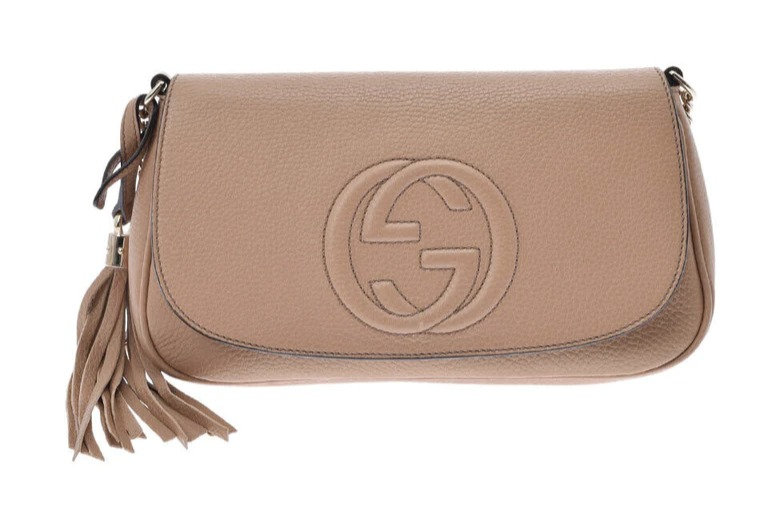
In 2012, Frida Giannini (who succeeded Alessandra Facchinetti as Gucci’s creative director in 2006) launched the Soho Disco bag line. It included a crossbody camera-style bag, made in grained calfskin and embossed with the interlocking double G logo. And like all Gucci bags, the Soho Discos are made in Prato, just outside Florence.
The finishing touch? A hefty leather tassel as the zipper pull. This piece quickly reached It-bag status, appearing on downtown Soho girls and boys in fun, saturated colors (though currently, the house offers the bag only in black and beige) as the ultimate hands-free accessory. It is the best way to use those limbs for a night at the disco, right?