The double “F” of FENDI to the monogram of LOUIS VUITTON
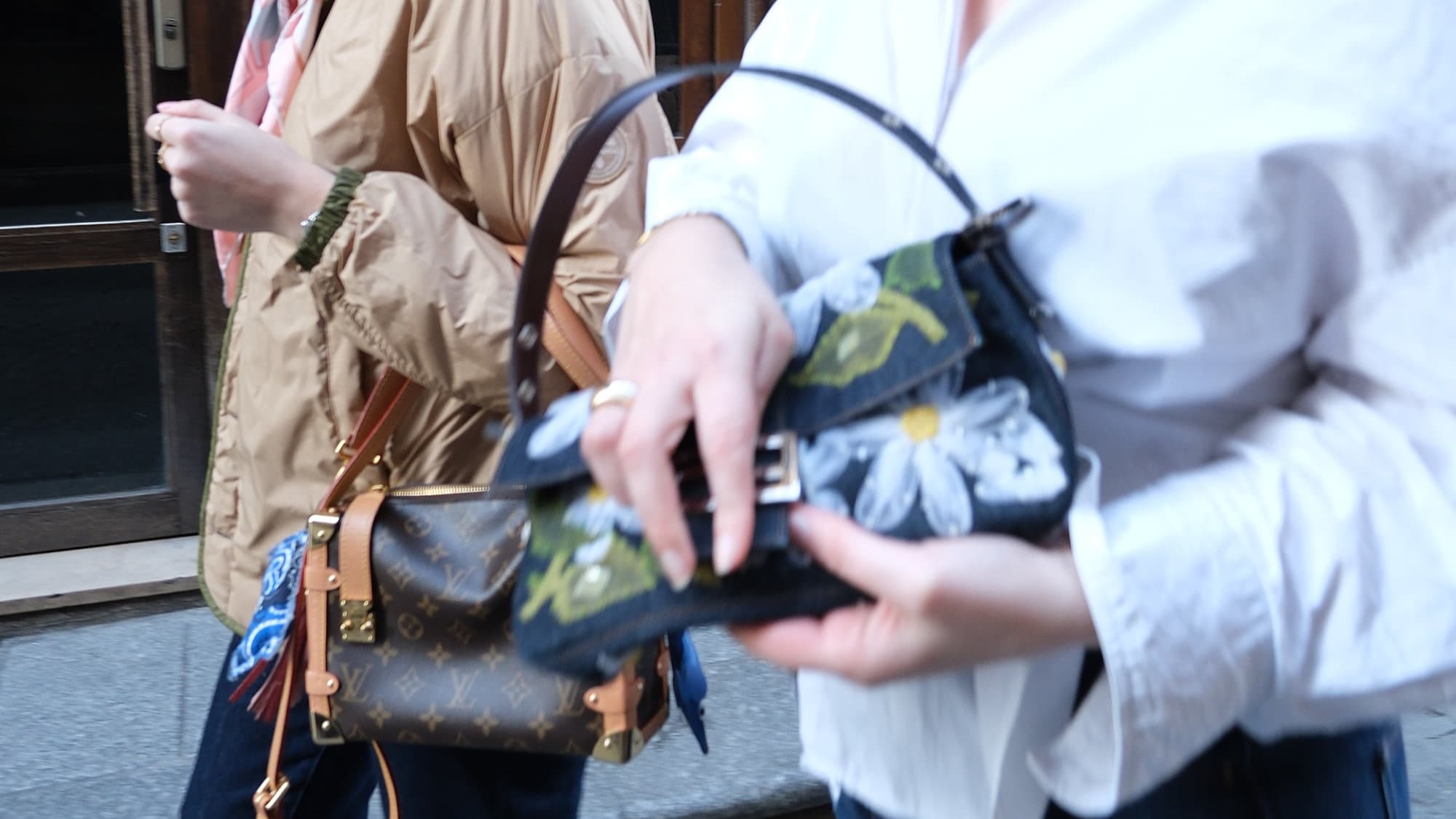
In the world of haute couture, logos are much more than simple symbols — they are statements of heritage, craftsmanship, and exclusivity. Fendi’s double “F” and Louis Vuitton’s monogram have gone beyond fleeting trends to become icons of status and timeless elegance.
Much more than logos: symbols of luxury and heritage
What began as a practical tool for brand recognition has become a true visual identity, powerful and evocative — carrying history, desire, and distinction.
Among the most emblematic symbols in the fashion world are Fendi’s double “F” and Louis Vuitton’s LV monogram — two emblems that have not only defined their respective houses, but also influenced an entire luxury culture centered on branding.
These two logos are not merely graphic ornaments. They symbolize craftsmanship, exclusivity, and a sense of belonging to a world of refinement. Whether through reinvention or fidelity to tradition, these visual signatures have marked their era and continue to captivate style enthusiasts around the world.
From Fendi’s playful double “F” to Louis Vuitton’s classic monogram, luxury logos still shape fashion identity today — proving that true elegance lies as much in the design as in the story it tells.
Fendi’s double “F”: a playful and sophisticated signature
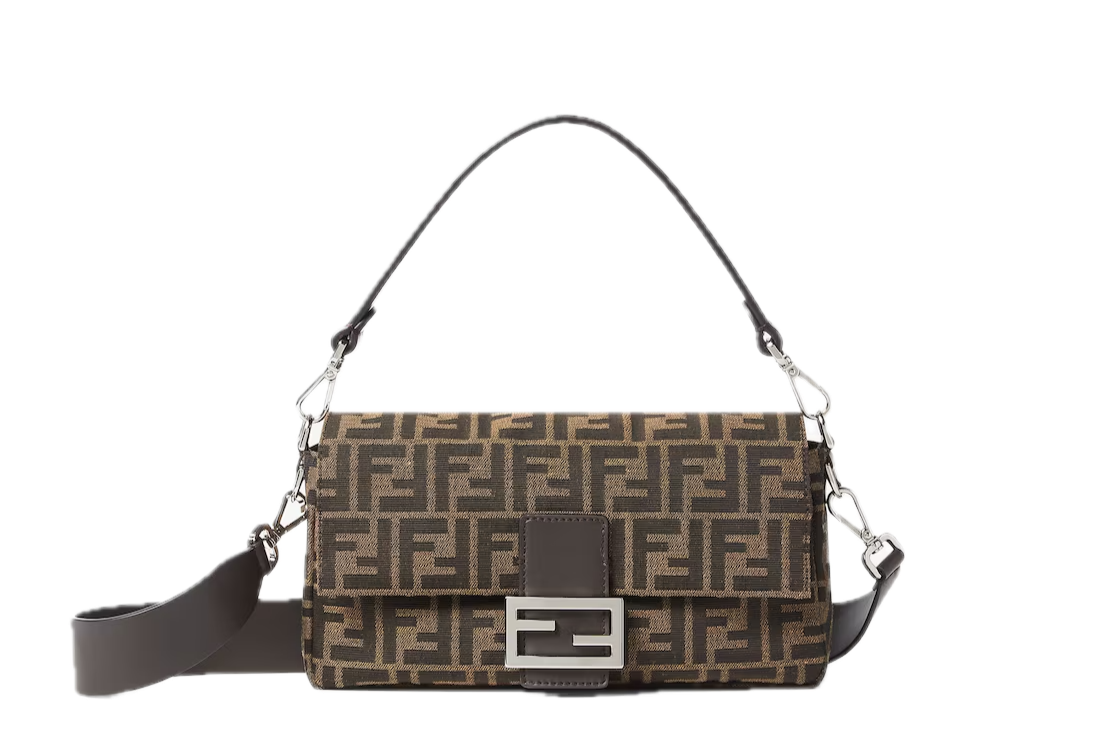
Fendi’s legendary double “F” logo, created in 1965 by Karl Lagerfeld, stands for “Fun Fur” — an expression of the house’s bold and creative spirit. Originally designed to showcase Fendi’s expertise in fur craftsmanship, this emblem quickly became a key element of the brand’s aesthetic.
The concept of “Fun Fur” was both literal and symbolic: it transformed fur from a classic and rigid material into something playful, colorful, and versatile.
Over time, the double “F” moved from linings to appear on the outside of bags, belts, coats, and sneakers. It became a symbol of luxury with attitude.
In the 1990s and 2000s, it enjoyed immense popularity, before making a strong comeback recently under the direction of Silvia Venturini Fendi and Kim Jones. Its angular and symmetrical design makes it highly adaptable — perfect for patterns, embossing, jacquard weaving, or metallic hardware — thereby strengthening the brand’s visibility across every medium.
Featured on leather goods as well as ready-to-wear collections, the double “F” remains an emblem of boldness and Italian luxury, effortlessly blending tradition and modernity.
Louis Vuitton’s monogram: a legacy of elegance
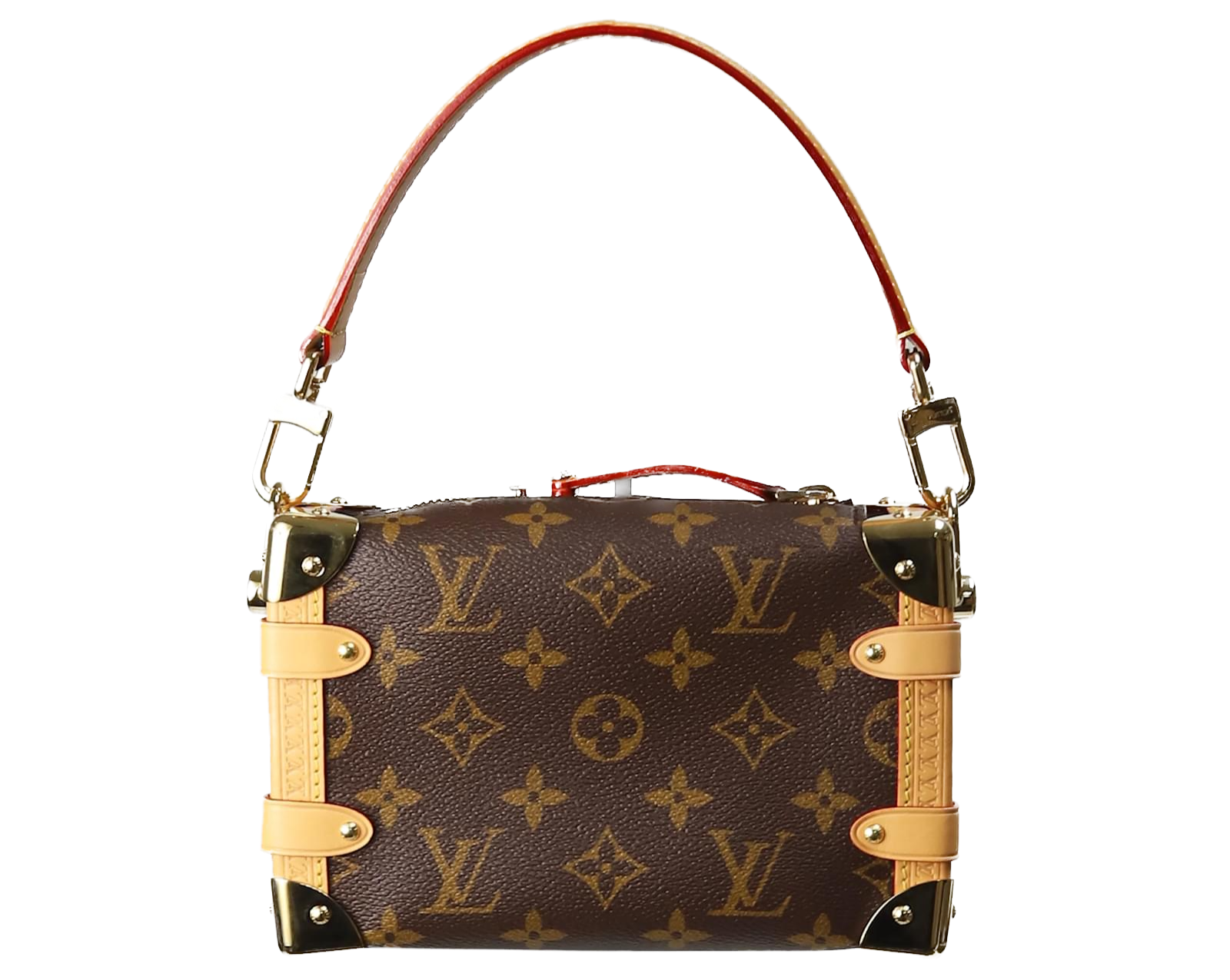
Few logos enjoy such strong global recognition as that of Louis Vuitton, created in 1896 by Georges Vuitton in tribute to his father, the house’s founder.
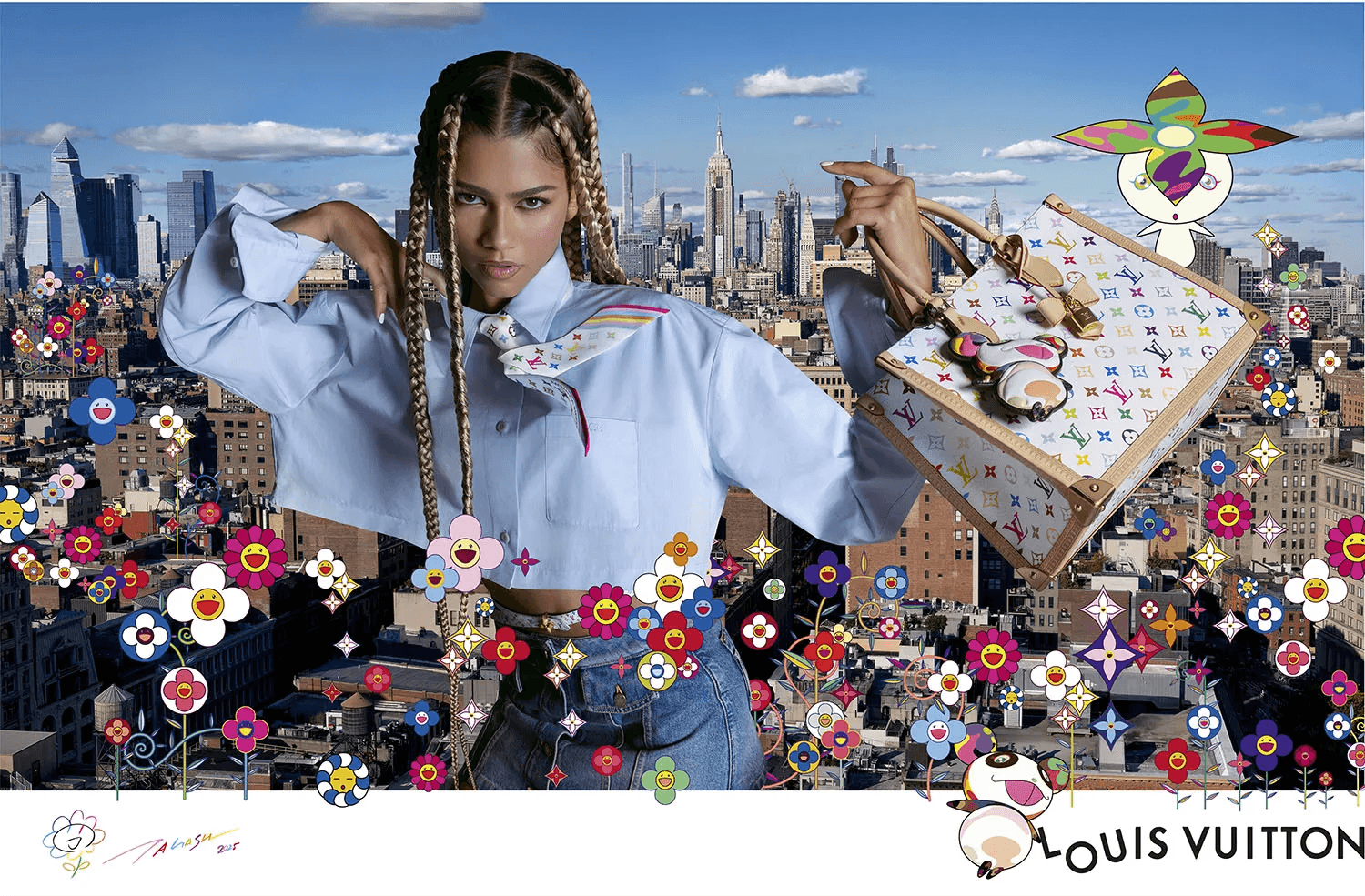
Inspired by Japanese motifs and Victorian-era ornamentation, the LV monogram — accompanied by quatrefoils and flowers — was originally designed as a response to counterfeiting.
Over the decades, this pattern has adorned everything from travel trunks to iconic bags, adapting through striking artistic collaborations with Takashi Murakami, Virgil Abloh, and Yayoi Kusama, thus proving its ability to transcend eras.
More than a century later, the monogram remains a symbol of durability, craftsmanship, and prestige. Its strength lies in its visual consistency — little changed over time — while being regularly reinterpreted through contemporary collections.
From Stephen Sprouse’s graffiti editions to the streetwear collaboration with Supreme, via Yayoi Kusama’s artistic polka dots, Louis Vuitton shows that an apparently fixed logo can be reinvented endlessly without losing its identity. This balance between heritage and innovation keeps the monogram alive, generation after generation.
Why monograms work: the psychology of recognition and desire
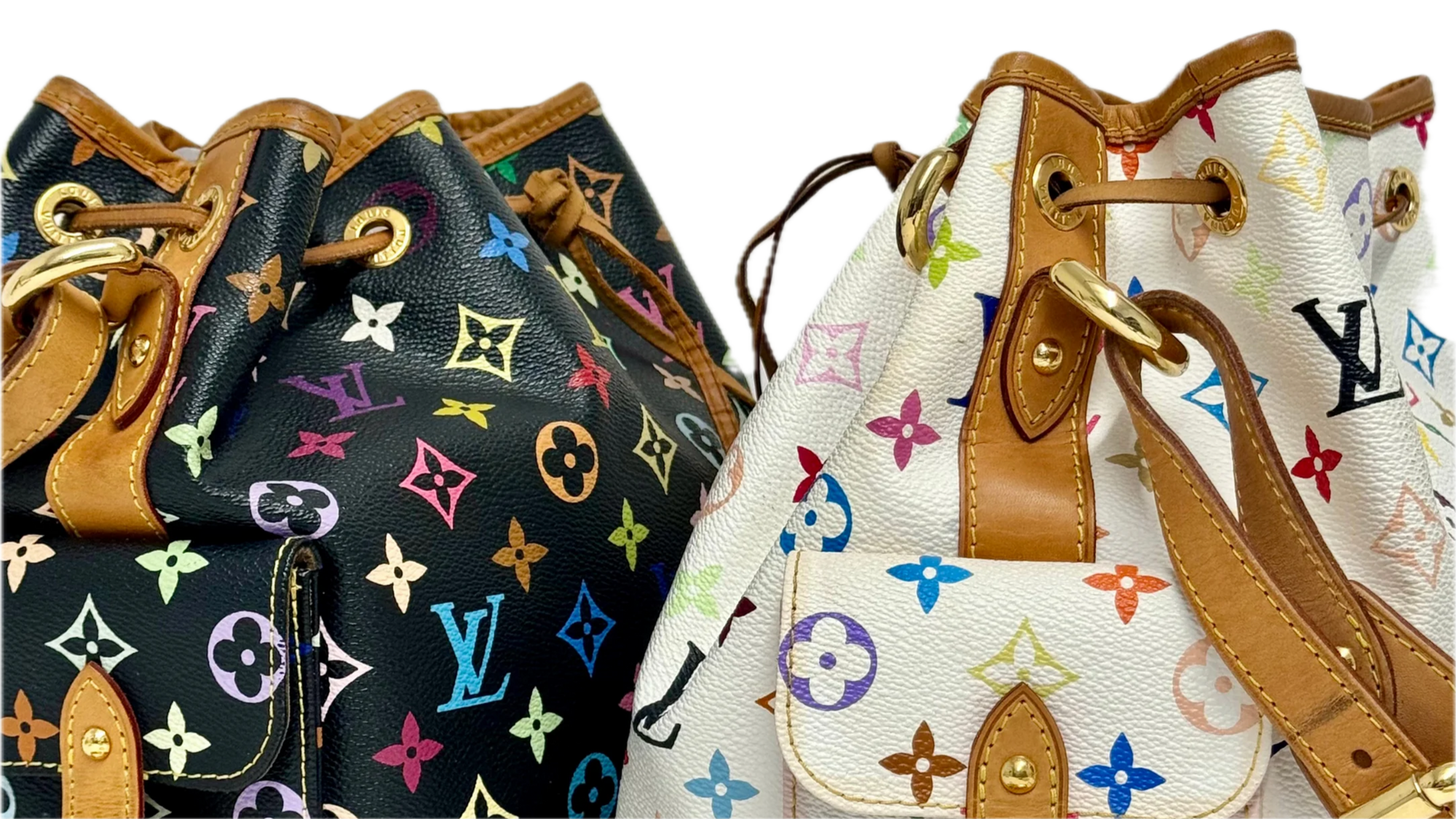
The success of Fendi’s double “F” and Louis Vuitton’s LV monogram is no accident — it rests on deep principles of brand psychology.
They inspire aspiration and signal a form of belonging to an exclusive circle.
In addition, monograms are ideal for product visibility: they photograph well, catch the eye from afar, and can be easily adapted across multiple categories — from leather goods to ready-to-wear, including perfumes.
Brand loyalty is based not only on product quality, but also on the emotion the brand creates. A well-designed logo, embedded in the collective imagination, can evoke emotion, nostalgia, and identity.
That is why Fendi and Louis Vuitton regularly invest in logo-centered collections, exclusive capsules, and limited editions — they reinforce brand value while creating a sense of urgency and exclusivity, powerful drivers of sales.
The future of branding in luxury
At a time when minimalism and “quiet luxury” are gaining popularity, one might think visible logos are losing momentum.
Yet Fendi and Louis Vuitton prove that with the right storytelling, a logo doesn’t need to shout — it simply needs to make sense. Whether woven into canvas or engraved on a gold buckle, these emblems represent more than a brand:
They embody a legacy.
As luxury evolves, these logos will continue to prove that good branding is timeless, just like the bags that bear it.
Are you considering investing in one of these iconic bags?
Now is the ideal time to take action.
Click below to access our wholesale platform and discover an exclusive selection of luxury pieces — don’t miss this unique opportunity to find something exceptional!